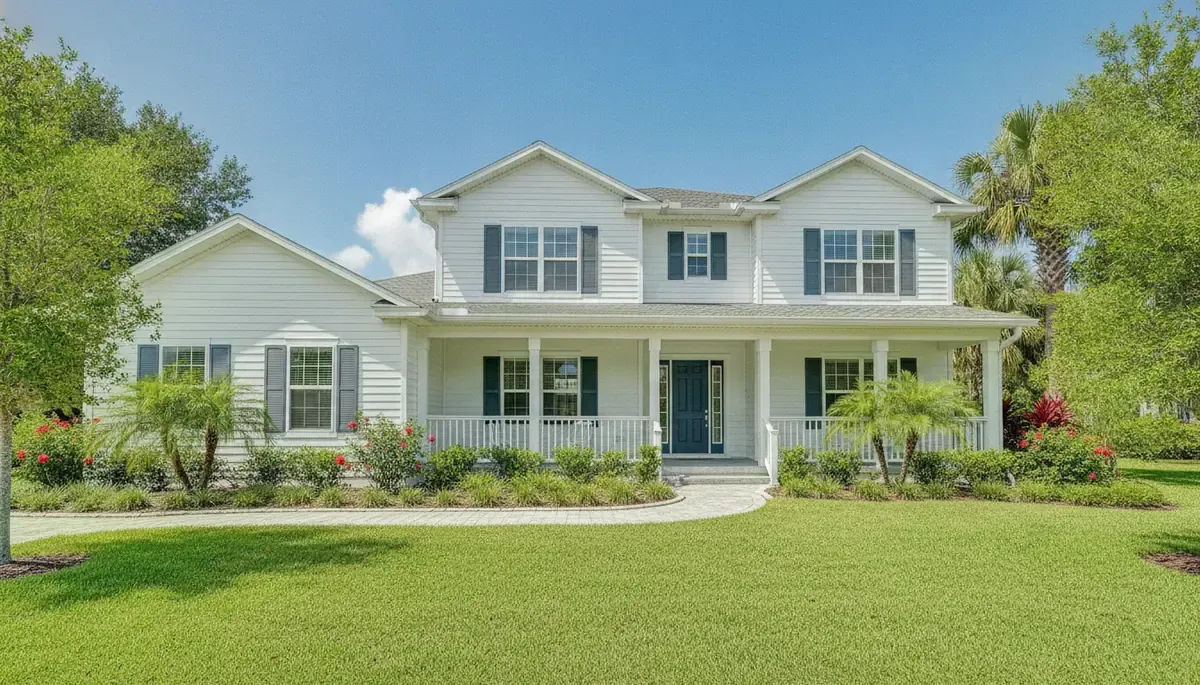
Soft Washing vs. Pressure Washing: Which Does Your Home Need?
Pressure washing uses high-pressure water to blast dirt off hard surfaces like concrete, brick and pavers. Soft washing uses low pressure and a cleaning solution to kill algae and mildew at the root on delicate surfaces like roof shingles, vinyl siding, stucco and painted wood. Using high pressure on a soft surface forces water behind it or strips its protective layer, which is why roofs and siding should always be soft washed.
The real difference is not the pressure, it is the chemistry
Most people assume soft washing is just pressure washing turned down. It is not. Turning the pressure down without changing anything else would simply leave the dirt where it is.
Soft washing works because a cleaning solution does the work the pressure would otherwise do. The solution kills the algae, mould and mildew at the root, then a gentle rinse carries it away. Because the organism is killed rather than knocked off, the surface stays clean considerably longer than a blasted one.
That is the part homeowners notice a year later. A pressure-washed roof can look green again within months, because the spores were never killed. A soft-washed roof holds.
Which surfaces need which
Soft wash: roof shingles, vinyl and aluminium siding, stucco, painted wood, screen enclosures, soffits and fascia, outdoor furniture.
Pressure wash: concrete driveways, garage floors, brick, pavers, retaining walls, and most unsealed hardscape.
The boundary is roughly: if the surface is porous, painted, or has a protective layer that can be stripped, it wants soft washing. If it is dense mineral, it can usually take pressure. Older mortar is the exception that catches people out, since aged joints will wash out under a pressure tip.
What high pressure does to a roof
This is the most expensive mistake in the trade. Asphalt shingles are protected by a layer of mineral granules bonded to the surface. Those granules are what block UV and keep the asphalt underneath from drying out and cracking.
A pressure washer strips them. The roof looks clean the same afternoon, and it has lost years of life. On a roof still under manufacturer warranty, pressure washing will usually void it outright.
There is no version of pressure washing a shingle roof that is safe. If a contractor offers to, that is enough information to decline.
How to tell what you are being sold
Ask one question: what pressure will you use on my siding and my roof, and what solution?
Anyone doing this properly will answer immediately and specifically, because it is the core of the job. A vague answer means the same wand and the same tip is going on every surface.
Our soft washing service covers roofs, siding and enclosures, and our pressure washing service covers concrete and hardscape. Most homes need both, which is why we quote them together.
Frequently asked questions
Is soft washing safe for plants?
Yes, when it is done properly. Landscaping is pre-wetted before the solution goes on and rinsed again afterwards, which dilutes anything that reaches the beds. Skipping that step is what damages plants, not the solution itself.
Does soft washing kill the algae permanently?
It kills what is there. Nothing prevents new spores landing, which in Northeast Florida they will. But because the existing growth is killed at the root rather than knocked off, a soft wash typically lasts two to three times longer than a pressure wash on the same surface.
Can I soft wash my own roof?
We would not recommend it. The solution needs correct dilution, the roof is a fall risk, and the runoff has to be managed away from landscaping and drains. The cost of a professional soft wash is well below the cost of getting any of those three wrong.
Related reading
- How Often Should You Pressure Wash Your Home in Florida?
- What Causes Black Streaks on Your Roof (And How to Remove Them)
Get a free quote
H2O Pressure Washing serves Saint Johns and the wider St. Johns County area. For a free, fixed-price quote, tell us about your property or call (904) 506-7656.
